
Fight for $20

Better wages. Stronger businesses.

The federal minimum wage has been $7.25 an hour since July 2009. Rent, groceries and childcare have not waited 17 years. A $20 floor pays for a life, and it pays for a better business.

The math

One job at $20, or three at $7.25

A full-time year at $20 pays $41,600. Here is what the same pay takes at lower wages.

Federal minimumSince 2009
Hourly rate$7.25
Hours a week110
Jobs it takesNearly 3
$10 an hourStill short
Hourly rate$10.00
Hours a week80
Jobs it takes2
Fight for $20Proposed
Hourly rate$20.00
Hours a week40
Jobs it takes1

$41,600 a year before taxes. Base pay, paid by the employer.

Two jobs means two bosses

About 9 million Americans work more than one job. The hours are only part of the cost.

For the worker

  • Two schedules that don't fit. Move one shift and the other job is at risk.
  • Overtime counts job by job. Sixty hours at two employers can pay no overtime.
  • Two sets of rules, cultures and expectations, and either can change without notice.

For the employer

  • You share your people. When schedules collide, someone calls out.
  • Unstable schedules drive people out. Research on retail and food service workers ties them to who quits.
  • One job means full availability, extra shifts and people who stay long enough to get good.

Tips go on top

$20 is the wage. Tips are the customer's choice, on top of it. A tip should thank someone for good service, not cover their rent. We don't want tips banned, and we don't want them counted toward the wage.

17 yrs

Since Congress last raised the federal minimum wage. The longest stretch without a raise since the minimum wage began.

20

States that still default to the $7.25 federal floor.

87%

Share of workers earning $17 or less who are over age 20. These are adults, many supporting families.

The business case

Written from behind the counter

Most of the argument about wages happens between people who have never made payroll. Operators know the real cost of a low wage is rarely on the wage line. It shows up in turnover, training, empty shifts and bad service.

Turnover is the hidden tax

Every person who quits takes their training with them. You pay to recruit, onboard and cover their shifts, and your best people burn out picking up the slack. Higher pay keeps people longer.

Berkeley economist Michael Reich: higher minimums reduce vacancies and turnover rather than jobs.

Stable teams serve better

A crew that has worked together for a year is faster, makes fewer mistakes and knows the regulars. Guests feel the difference before they read the menu.

A floor levels the field

Employers who already pay well get undercut by competitors who don't. A national floor ends that race to the bottom and lets companies compete on product and service.

Workers are customers

Low-wage workers spend what they earn, close to home. More money in their pockets is more money through local registers.

The human case

A full-time job should cover a life

Work should pay for itself

When wages are too low, taxpayers fill the gap through public assistance. A higher floor moves that cost back to where it belongs.

Time is part of the wage

At $7.25, people work two or three jobs to cover rent. That is time away from kids, school and rest. A real wage gives some of it back.

$20 is not a new idea in practice

Several cities and an entire California industry already pay $20 or more. The question is whether workers in the other places get to catch up.

Inflation already did the math

The $15 people fought for a decade ago buys far less today. $20 is what keeping pace looks like.

What it takes

The honest version

Higher wages are not free, and pretending otherwise hurts the case. Here is what the critics say and what it takes to make $20 work.

The concern
Making it work
The Congressional Budget Office estimated a $17 federal minimum could cost about 700,000 jobs on average, while raising pay for millions.
Phase it in over several years so businesses can plan menus, staffing and prices. Index it afterward so it never freezes for 17 years again.
Research on California's $20 fast-food wage is mixed. One study found fewer hours and more kiosks; another found higher pay without job losses.
Watch the data, publish it and adjust the schedule if needed. The goal is a raise people keep, not one that disappears into cut shifts.
$20 in Mississippi is not $20 in San Francisco. Small, rural and independent businesses run on thin margins.
Longer runways for small employers and lower-cost regions. Pair the floor with relief elsewhere, such as payroll tax credits during the phase-in.
Prices go up.
Some will. Owners should say so plainly. Most guests will pay a little more to be served by people who can afford to live nearby.

Beyond the wage

Policies we back

We back policies that help hard workers and local businesses, whoever proposes them.

No tax on tips

Federal law for 2025 through 2028

What it does
Tipped workers deduct up to $25,000 a year in tips from federal income tax. Social Security and Medicare still apply. Phases out above $150,000 income ($300,000 joint).
For workers
Keep more of every tip.
For employers
Tipped jobs are easier to fill. Tips are reported separately to the IRS.
Where we stand
The employer pays the $20 base. Tips go on top. Workers should keep more of them.

No tax on overtime

Federal law for 2025 through 2028

What it does
Workers deduct the extra half of time-and-a-half from federal income tax, up to $12,500 a year ($25,000 joint). Social Security and Medicare still apply. Same income limits.
For workers
Extra hours pay more.
For employers
Overtime is a better offer when a shift needs covering. Reported separately to the IRS.
Where we stand
It only reaches people who get overtime. Two part-time jobs usually pay none. One $20 job fixes that.

Status checked November 2026. More policies to come.

Already happening

Where $20 is already the floor

Emeryville, CaliforniaCitywide, effective July 1, 2026
$20.34
West Hollywood, CaliforniaNon-hotel workers, effective January 1, 2026
$20.25
California fast foodLarge chains, statewide since April 2024
$20.00
Federal minimumUnchanged since July 2009
$7.25

What's happening

The push for $20

A group of 17 current and incoming House members pushes the Living Wage For All Act, a $25 federal minimum. Employers with 500 or more workers or $1 billion in revenue would reach $25 by 2031; everyone else by 2038. The bill also ends the lower cash wage for tipped workers. Tips stay with the worker. Al Jazeera →

Al Jazeera

Pennsylvania Gov. Josh Shapiro says a minimum wage bill will reach his desk before his second term starts January 19. He backs at least $15 an hour, up from the state's $7.25. The final amount and phase-in are not set. The Center Square →

The Center Square

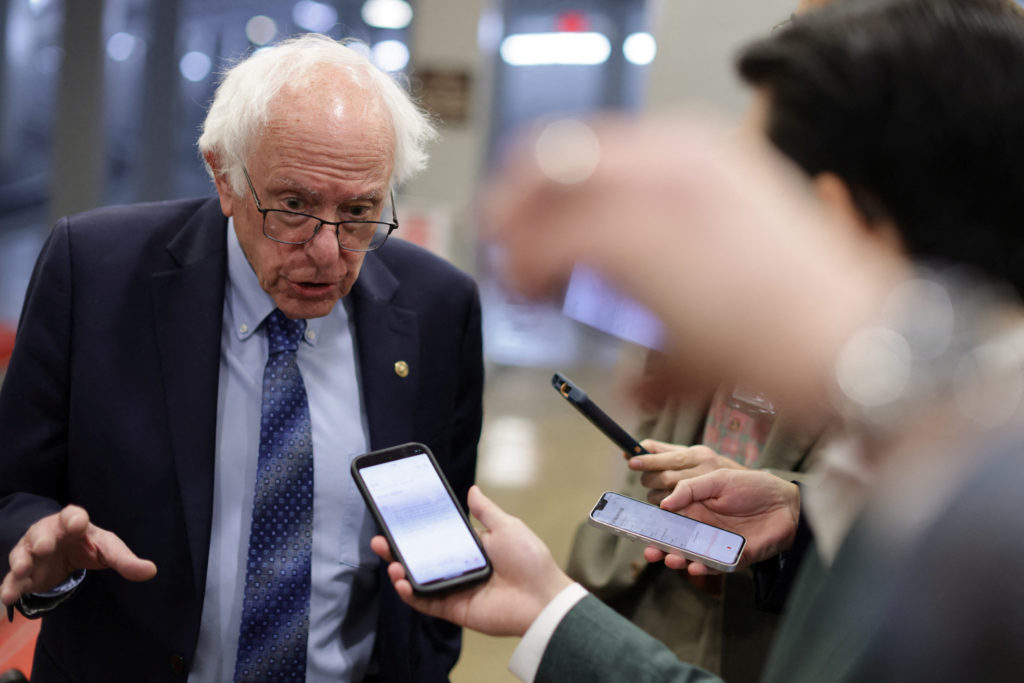
Sanders, expected to chair the Senate HELP Committee in January, lists a $20 federal minimum among his committee priorities. AP via PBS NewsHour →

AP via PBS NewsHour

Sen. Bernie Sanders calls for a federal minimum of at least $20 an hour. Benzinga →

Benzinga

The Raise the Wage Act of 2025 is introduced in Congress, proposing a $17 federal minimum by 2030. House Education & Workforce Democrats →

House Education & Workforce Democrats

Get involved

Add your name

Workers, owners and customers. If you think a full-time job should pay for a life, say so. We'll share updates and, when the time comes, ways to make your voice count.

Employers: we especially want to hear from you. The case for $20 is strongest when it comes from people who sign the checks.

Thanks. You're on the list.

Sources

  1. Sen. Bernie Sanders, Raise the Wage Act of 2025 fact sheet.
  2. House Education & Workforce Democrats, "Labor Leaders Introduce Bill to Raise Minimum Wage," April 8, 2025.
  3. Benzinga, "Bernie Sanders Demands $20 Minimum Wage When Democrats Retake Congress," October 2026.
  4. Associated Press, "Bernie Sanders unveils how he'll push for Medicare for All when Democrats take power," November 18, 2026.
  5. The Center Square (via Just the News), "Shapiro predicts $15 hourly minimum wage bill will hit his desk first," November 18, 2026.
  6. Al Jazeera, "US lawmakers push to raise minimum wage to $25, end tipped pay system," November 18, 2026.
  7. Congressional Budget Office, "The Budgetary and Economic Effects of S. 2488, the Raise the Wage Act of 2023," December 2023.
  8. UC Berkeley Institute for Research on Labor and Employment, California fast-food wage study, September 2024; UC Santa Cruz study as reported July 2026.
  9. GovDocs, City and County Minimum Wage Updates, July 1, 2026; city of West Hollywood minimum wage, 2026.
  10. Michael Reich, UC Berkeley, on minimum wage employment effects.
  11. U.S. Bureau of Labor Statistics, Current Population Survey, multiple jobholders, October 2026.
  12. Joshua Choper, Daniel Schneider and Kristen Harknett, "Uncertain Time: Precarious Schedules and Job Turnover in the U.S. Service Sector," ILR Review, 2021 (Harvard Shift Project).
  13. U.S. Department of Labor, Wage and Hour Division, overtime and joint employment under the Fair Labor Standards Act.
  14. Internal Revenue Service, fact sheet FS-2025-03 and Tax Tip 2026-06, January 26, 2026.